
This news article was first posted on the Martin Luther University College site early in 2025.
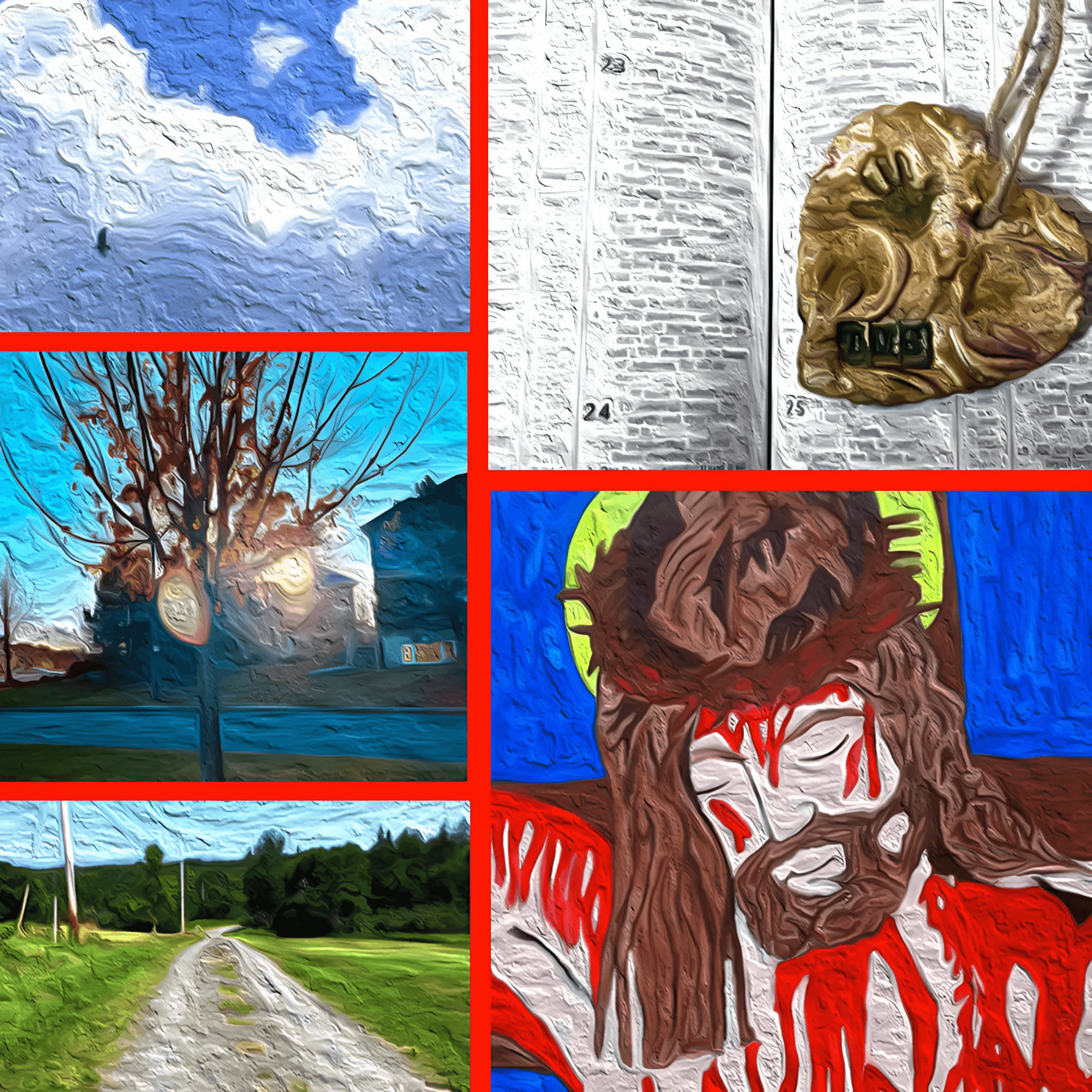
The launch of Images of God: Through the Lens of Disability celebrates the art and theology of Christians with intellectual and developmental disabilities across Ontario. This exhibit, as a part of Art on the Wall at Martin Luther University College, features photos, photovoice images, collages, and reflections on God- and self-representation. The art was unveiled at the Art and Vespers 2025 Exhibit Launch.
Curator and host of the exhibit, Dr. Keith Dow, is a Visiting Researcher at Luther and the Manager of Organizational and Spiritual Life at Karis Disability Services.
For the Images of God project, Dow interviewed eleven Ontario-based Christian adults with intellectual disabilities about their understanding of God and themselves. Each participant created a collage that represents who they are, and completed a photovoice exercise, taking photos that reminded them of God and journaling about the process. They then spoke about why they took these pictures and identified other photos that reminded them of God.
"I came across this opportunity through the University of Birmingham where they were advertising this. It's called a psychology cross-training for theologians. I submitted an application. The call for fellows was around how we think of, conceive of, and understand God," Dow said.
"Working with people with intellectual and developmental disabilities who are often excluded and marginalized from research—whether in theology or psychology—there are many different barriers that people can face."
Dow wondered what it would look like for people who might not think in typical ways or be able to access sacred texts using traditional methods.
"I think, at least from my perspective, it's an untapped area of connecting theology with intellectual disabilities and people not necessarily understanding how those things connect with each other," Dow said.
This opportunity proved to be an incredibly impactful experience.
"It was a really beautiful and meaningful time to connect with people and hear about the photovoice project," Dow said. "Seeing the photos that they took and hearing about their journaling process—how those pictures represented God to them—was wonderful. We did a collage project as well, which is part of the art exhibit, where we traced their head and then they worked on putting a collage together using magazine clippings and stickers and other sorts of things."
Ultimately, this project can contribute to broadening the scope of understanding about the ways in which people engage with and understand God.
"The first takeaway is that we have a lot to learn from each other. I think sometimes we look to people who have lots of fancy degrees to teach us and tell us about who God is. And that's not wrong—people who have studied for a long time have certain insights that you wouldn't have if you didn't do that kind of study. The same can be true for people who are often overlooked when it comes to how we understand God and relate to God in our lives. That's what was so encouraging about meeting with folks in this way and using some of these creative approaches. I learned a lot about who God is and how God relates to people and meets us where we're at," Dow said.
Understanding the role accessibility plays in faith practices was one of the most prominent themes Dow discovered through this project.
"How accessible are sacred texts? The small print—there are thankfully a lot of different ways to engage with that, like audio Bibles. But just be mindful that not everybody's going to engage with sacred texts in the same way," Dow said.
"I'm a theologian, I'm a pastor, but I was challenged by the devotional and faith practices of many of the folks I interviewed—their dedication to prayer, the ways they read their scripture and were dedicated to that practice as well."
Images of God: Through the Lens of Disability was a free exhibit on public view at Keffer Chapel through April 30, 2025. For church resources connected to faith and disability, visit karis.org.